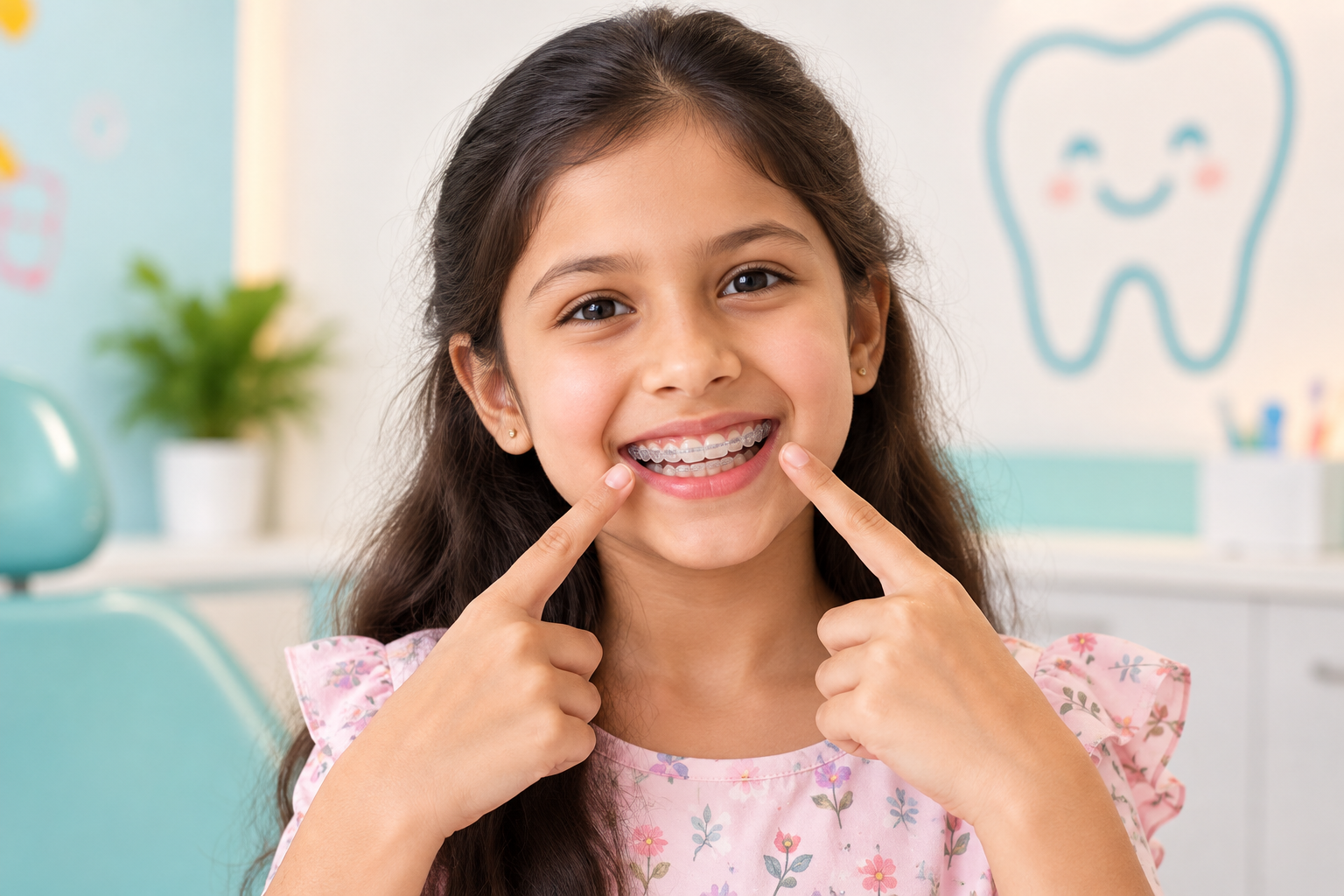
Why Retainers Are Non-Negotiable
When braces are removed, your child's teeth are in their ideal positions but the bone and soft tissue surrounding them haven't fully adapted to those new positions yet. Teeth are held in place by a network of fibres in the jawbone called the periodontal ligament, and these fibres have a strong "memory." Without a retainer, they will pull the teeth back toward where they were before treatment. This is called orthodontic relapse.
Studies show that without a retainer, significant orthodontic relapse begins within weeks of braces being removed. Within one to two years, teeth can return substantially to their original positions undoing months or years of treatment.
A retainer doesn't move teeth it simply holds them in place while the bone and tissues consolidate around the new positions. This process takes at least 12 months for basic stabilisation, and the natural tendency to drift continues throughout life, which is why long-term retainer wear is recommended.
In our clinic, the most common reason a teenager or young adult needs a second round of braces is not wearing their retainer consistently after the first treatment. This is an entirely preventable, expensive outcome. Please take retainers seriously.
Types of Retainers
✅ Invisible (behind front teeth)
✅ Most effective for preventing relapse
⚠️ Can break if damaged
✅ Durable lasts many years
✅ Minor adjustments possible
⚠️ Must remember to wear it
✅ Comfortable to wear
✅ Removable for eating
⚠️ Needs replacing every 1–3 years
Most children receive either a fixed bonded retainer (a thin wire glued to the back of the front teeth) or a removable retainer, or a combination of both. Your orthodontist will recommend the right type based on the treatment completed and the specific teeth involved.
The Wear Schedule: How Long and How Often
Retainer wear schedules have evolved significantly in recent decades. Current evidence supports longer-term wear than was previously recommended.
- First 6 months post-braces: Full-time wear (22–23 hours per day), removing only to eat and brush. This is the critical consolidation phase.
- Months 6–12: Night-time wear only, every single night.
- Year 2 onwards: Most orthodontists recommend continued night-time wear indefinitely or at minimum, several nights per week. Teeth shift throughout life, and occasional retainer wear prevents this.
This sounds extreme, but it's the modern orthodontic consensus. The alternative wearing the retainer less frequently leads to gradual drift that compounds over years. Many adults in their 30s and 40s wish they had kept wearing their retainer from their teenage years. The habit is small; the payoff is permanent.
Caring for a Retainer
- Rinse with cool (not hot) water after every meal
- Brush gently with a soft toothbrush and mild soap never toothpaste, which scratches the surface
- Store in the case provided always. Lost retainers are expensive to replace
- Keep away from heat sources (car dashboards, hot water) they warp instantly
- Keep away from pets dogs in particular are attracted to them and will destroy them
- Bring the retainer to every check-up appointment for inspection
If the Retainer Is Lost or Broken
Contact your orthodontist within 24–48 hours not weeks. Teeth can shift noticeably within just a few days without retention, especially in the first year post-braces. Replacement retainers typically require new impressions and are fabricated within a week.
If there is a noticeable change in fit when the retainer is replaced, your orthodontist will assess whether minor tooth movement has occurred and whether any correction is needed.
Retainers are far less demanding than braces no dietary restrictions, no monthly adjustment appointments, no discomfort. Once the habit of nightly retainer wear is established (usually within 2–4 weeks), most teenagers find it becomes as automatic as brushing their teeth.
Call us at +91 99452 25971 or book a check-up. We offer same-week appointments for retainer emergencies and replacements for patients who completed treatment at our clinic.