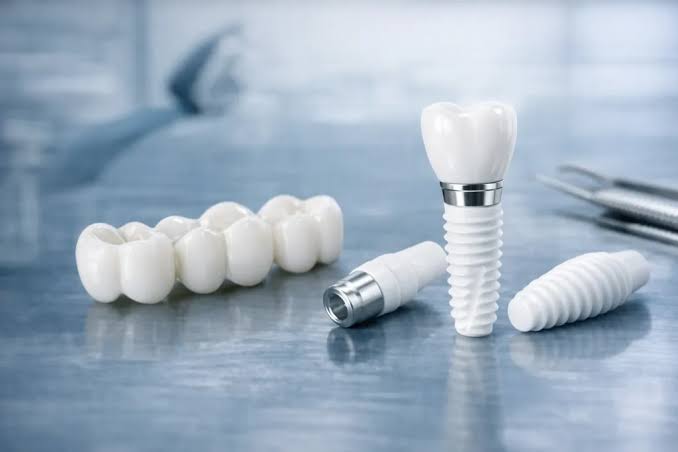
When Is a Crown Needed?
- After pulpotomy or pulpectomy — root canal treatment removes the pulp that keeps the tooth strong. A crown is mandatory to prevent fracture.
- Extensive decay — when decay has affected multiple surfaces of a baby tooth and not enough tooth structure remains for a filling to hold.
- Fractured tooth — trauma or biting injury that removes a cusp or large portion of the crown.
- Hypoplastic or hypomineralised teeth — MIH (Molar Incisor Hypomineralisation) and enamel hypoplasia leave teeth structurally weak; crowns protect them.
- High decay risk children — children with multiple cavities, poor cooperation, or special needs benefit from the durability of a crown over a filling.
Zirconia vs Stainless Steel
Zirconia Crowns (Tooth-Coloured)
Prefabricated zirconia crowns are white, strong, and virtually indistinguishable from natural teeth. They are used primarily on front teeth (where aesthetics matter most) and increasingly on back teeth for families who prefer a tooth-coloured result. They are placed in a single appointment with no laboratory wait.
Stainless Steel Crowns (SSC)
The stainless steel crown has been the gold standard for posterior baby teeth for over 50 years. It is highly durable, placed in a single visit, and the most cost-effective full-coverage option. It is silver-coloured. For back teeth — where it is rarely visible during normal conversation — SSCs offer outstanding longevity until the tooth naturally falls out.
The Procedure
Both types of crown are placed in a single appointment. The tooth is shaped to receive the crown, the appropriate size is selected from our prefabricated set, and the crown is cemented with glass ionomer cement. The whole process takes 20 to 40 minutes per tooth. Local anaesthesia is used; nitrous oxide sedation is available for anxious children.
Frequently Asked Questions
Baby molars are space holders for permanent teeth and are needed for chewing, speech, and jaw development until they naturally fall out at age 10–12. A filling on a pulpotomy tooth has a high failure rate; a crown keeps the tooth intact and functional for the remaining years it is needed.
Yes. Zirconia crowns are available for back teeth and are an excellent choice. They are slightly more time-consuming to place than SSCs but offer a tooth-coloured result. We discuss both options with parents at the consultation and let you decide based on your priorities.
Properly cemented crowns rarely come off before the tooth is naturally shed. If a crown does loosen, contact us for re-cementation — it is a quick appointment. Avoid very sticky sweets (toffee, chewing gum) which can dislodge any crown.